ServicesBumper Repair
Bumper Repair in Yosemite Lakes
Most bumper damage is more than the plastic you can see. We pull the cover, check the foam absorber, reinforcement bar and brackets behind it, then tell you plainly whether the cover can be repaired or should be replaced, and what each choice means for your car.
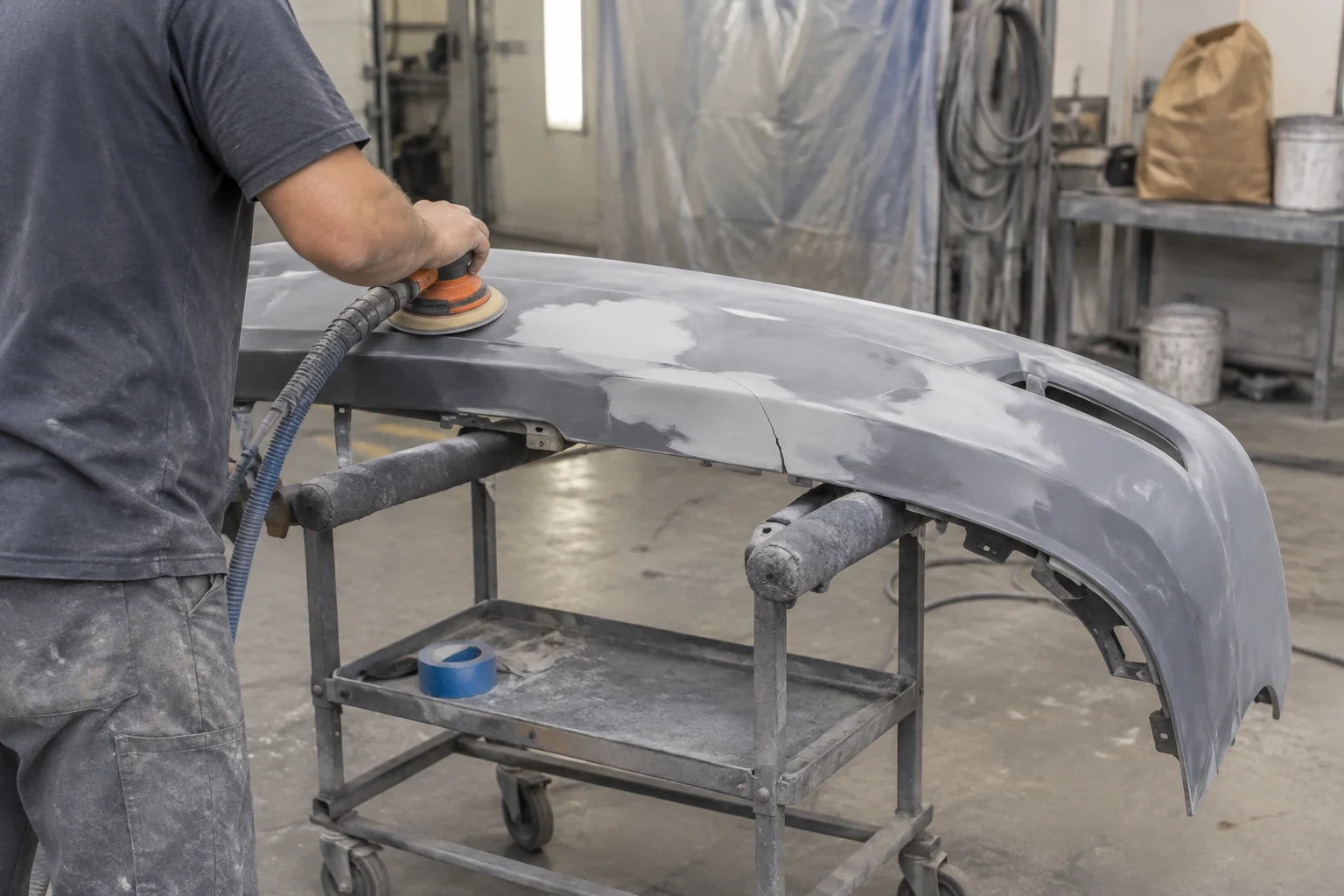
What a bumper repair actually involves
The painted part you see is the bumper cover, usually molded from a flexible plastic such as TPO or polypropylene. Behind it sits a foam or plastic energy absorber and a steel or aluminum reinforcement bar bolted to the frame rails. The cover handles looks and airflow. The absorber and bar handle the impact.
A scuff or shallow gouge in the cover can usually be sanded, filled and refinished. A tear, a broken mounting tab or a cracked absorber changes the answer. Low-speed bumps in a parking lot often snap the plastic clips and brackets while the cover itself looks fine, which is why the cover sits crooked or the gap at the fender opens up.
We walk you through what we find and why it matters, so the estimate makes sense before any work starts.
What we check and repair
- Cover inspection off the car
- We remove the bumper cover to see the back side. Cracks often run farther than the paint shows, and stress whitening in the plastic marks where it has been stretched past its limit.
- Plastic welding and tab repair
- Torn covers and broken mounting tabs can often be repaired by plastic welding with matching rod and a reinforcing mesh. We only recommend it when the material type and the tear location allow a repair that will hold.
- Absorber, bar and brackets
- We check the foam absorber for compression and cracks, the reinforcement bar for bends, and the brackets and clips that hold everything in line. Crushed foam does not spring back and should be replaced.
- Sensors and lighting
- Many bumpers hold parking sensors, radar units or fog lights. We note what is mounted in yours and tell you whether the repair affects it and whether calibration is needed afterward.
- Flexible refinish
- Plastic needs an adhesion promoter and a flexible primer so the paint does not crack when the cover flexes. Our paint work carries a lifetime warranty on all paint work.
Signs your bumper needs attention
Uneven gaps
If the gap between the bumper and fender or headlight is wider on one side, a bracket or clip is likely broken. Left alone, the cover can work loose at highway speed.
Cracks or white stress lines
White streaks in the plastic mean it was bent hard. Cracks spread with vibration and heat, and the summer sun in this part of California speeds that up.
Sagging or loose corners
A corner that drops or flaps usually means a torn mounting tab. Tape or zip ties hold for a while, then the tab tears further and a repair becomes a replacement.
Sensor warnings
A parking sensor that beeps at nothing, or a driver-assist warning after a bump, can point to a sensor knocked out of position behind the cover.
Peeling paint on the cover
Paint flaking off in sheets often means the plastic underneath flexed and broke the bond, or an earlier refinish skipped the adhesion step.
What moves the price of bumper repair
Two bumpers with the same scrape can cost very different amounts depending on what sits behind them. Once the cover is off, we can tell you what is driving the number. We list it line by line so nothing shows up later as a surprise.
Repair versus new cover
A small tear in a reachable spot is usually cheaper to weld. Large tears, many broken tabs or a cover distorted by heat often cost more to fix than to replace.
Hidden parts
A crushed absorber, bent reinforcement bar or broken brackets add parts and labor that a quick look from outside will not show.
Sensors and calibration
Parking sensors, radar and camera mounts add parts and sometimes a calibration step after the repair.
Paint and blending
Metallic and tri-coat colors take more material and often require blending into the fenders or quarter panels for an even match.
How the repair goes
- 1
Look and listen
You bring your vehicle to our shop and tell us what happened. We look over the bumper with you and point out anything visible right away.
- 2
Teardown and written estimate
We remove the cover where needed and inspect the parts behind it. You get a written estimate that lists each part and labor item, with repair and replace options explained.
- 3
Repair or replace the parts
We weld, fill or replace the cover, swap any crushed absorber or broken brackets, and fit everything back to factory gaps.
- 4
Refinish and reassemble
The cover is primed, painted and blended to match the panels next to it, then sensors, lights and trim go back on.
- 5
Final check with you
We check fit, sensor function and paint match before you pick up your car, and show you what was done.
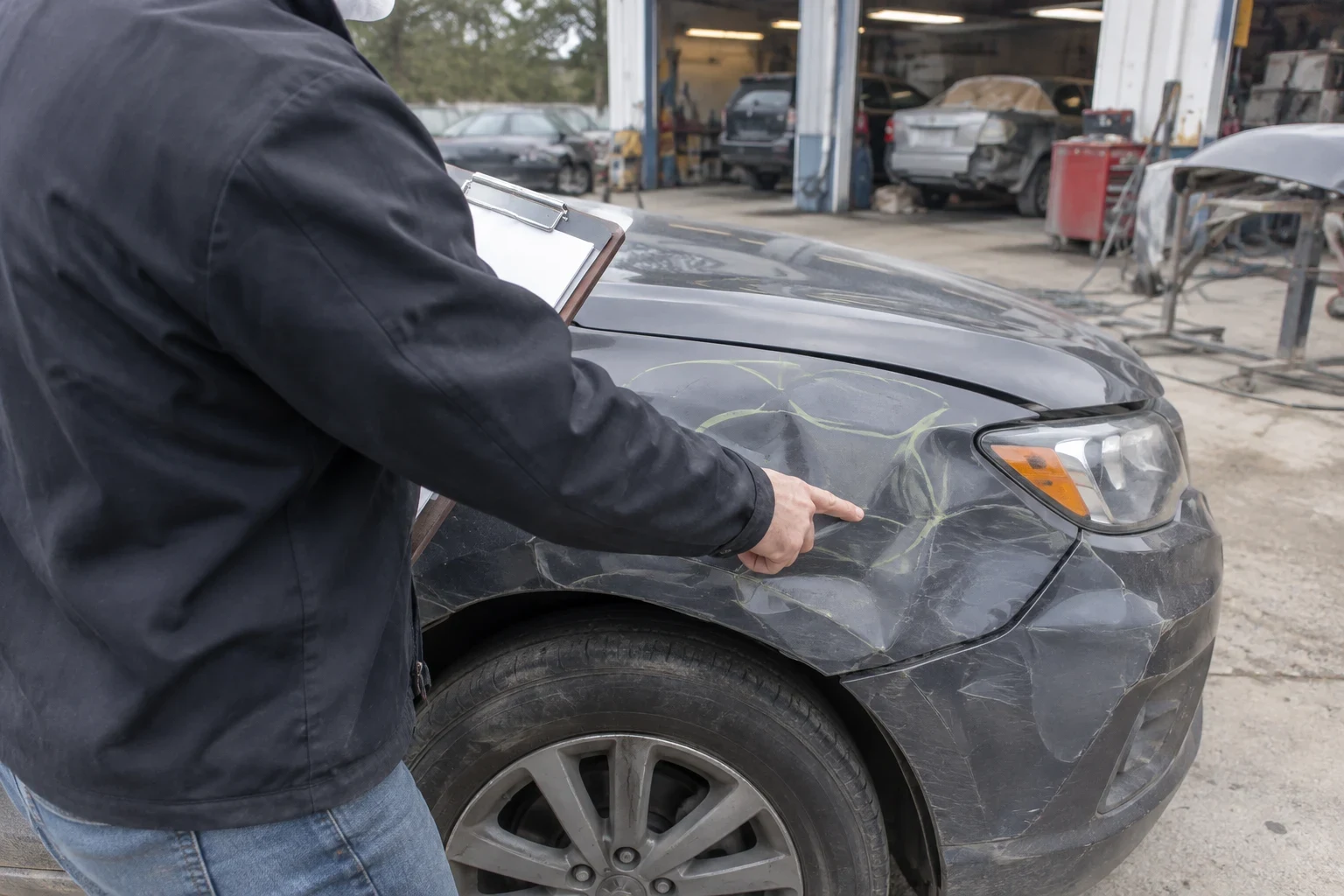
Bumper repair questions
Can a cracked bumper cover really be repaired, or does it have to be replaced?
Many can be repaired. Plastic welding works well on tears and broken tabs in common materials like TPO and polypropylene. If the cover is badly distorted or torn in several places, a new cover is the better value, and we will tell you which side of that line yours is on.
The bumper looks fine but it sits crooked. What is wrong?
Usually a broken bracket, clip or mounting tab. The cover itself may be undamaged. Replacing or repairing the mount brings the gaps back in line, and it is often a smaller job than people expect.
How do you get a plastic bumper to look the same color as the metal fenders next to it?
Plastic and steel can show the same paint slightly differently, so we start from the paint code on your vehicle and then tint the formula to account for how the factory finish has faded. Spray-out test cards get checked against the car before the cover is painted. Where the difference would still show, we blend color into the neighboring panels. Our lifetime warranty on all paint work covers the refinish on the bumper.
Should I go through insurance for a bumper repair?
It depends on the cost of the repair compared with your deductible and whether another driver was at fault. We can give you the estimate first so you can decide. Our Insurance Claims page explains how that process works.
How long will my car be at the shop?
A scuff refinish is a shorter job than a full cover replacement with new brackets and sensor work. Parts availability also matters. We give you a realistic timeline with the estimate once we know what is behind the cover.
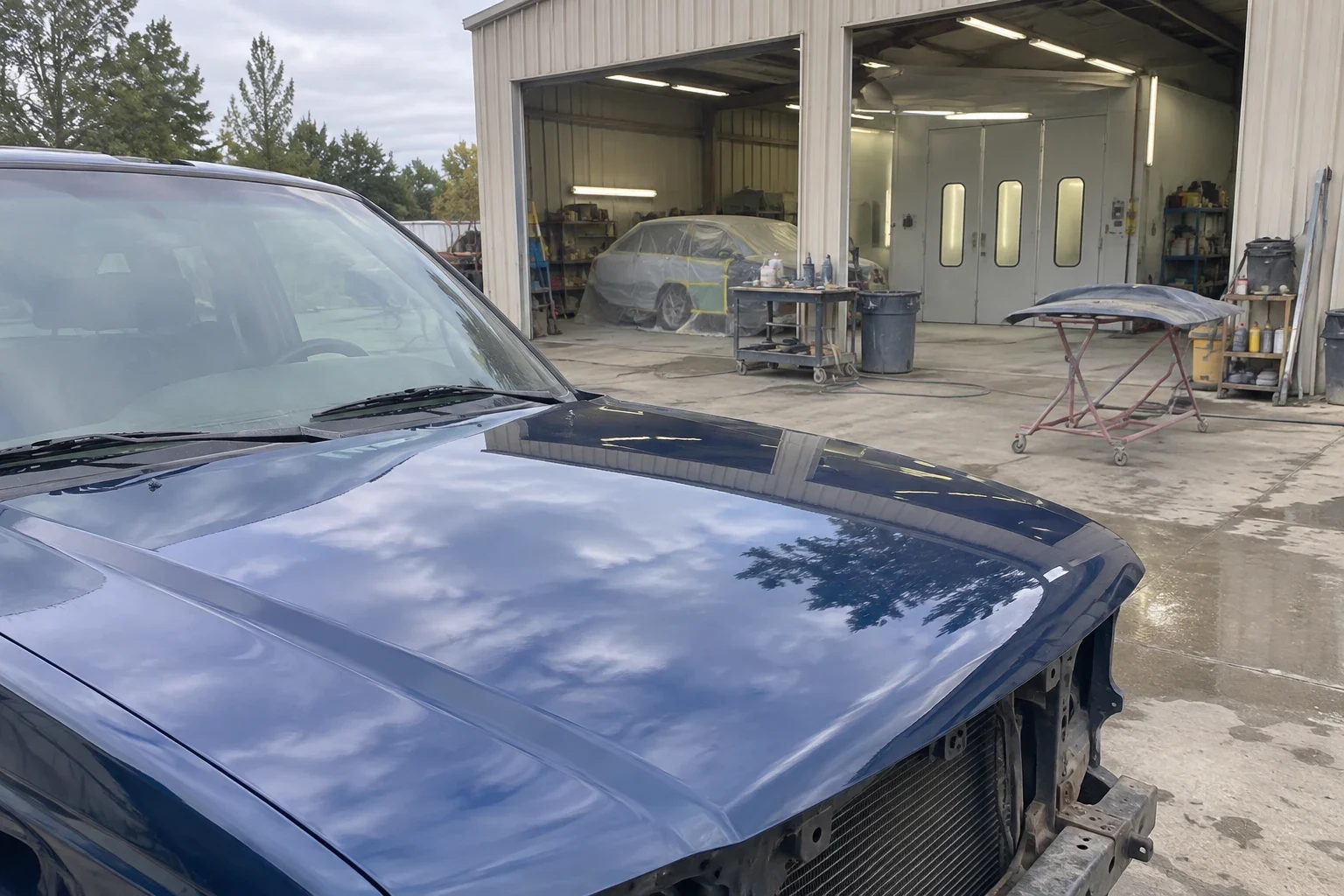
Find out what is behind the scrape
Tell us what happened to your bumper and what you can see. We will explain what to look for and when to bring your vehicle in for a proper look behind the cover.